
Opening the Cab Door to Change
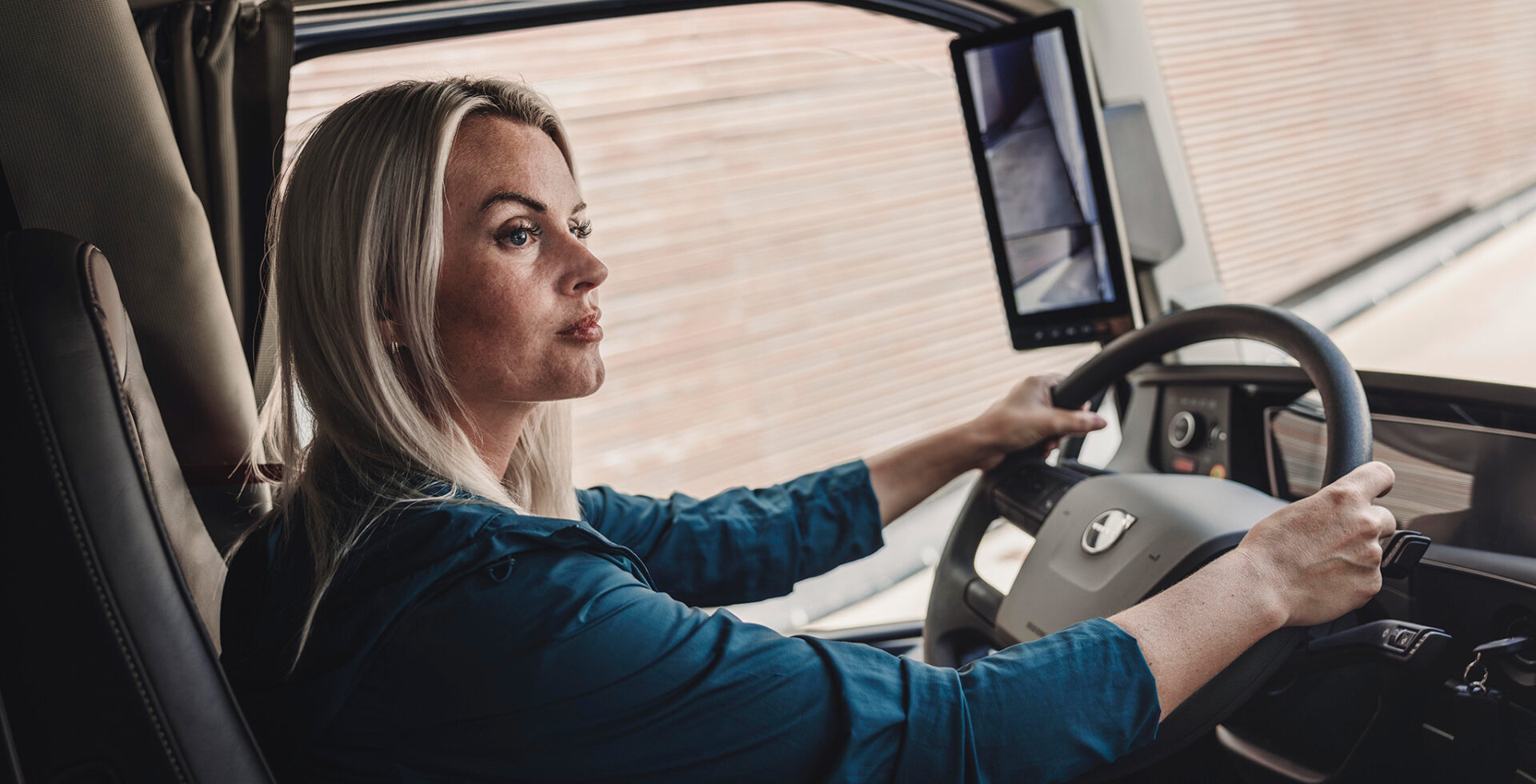
For much of its history, the trucking industry has been defined by a single image: a lone male driver hauling freight across long stretches of highway. This image has been reinforced by decades of marketing, workplace culture, and structural barriers that made trucking an unlikely career choice for women. Yet over the past several decades, women have increasingly stepped into the cab, challenging assumptions about who belongs behind the wheel of a big rig. Their presence is not merely symbolic. Women truck drivers are reshaping the industry’s labor force, workplace standards, and future sustainability at a time when trucking faces acute driver shortages and cultural transformation.
A Traditionally Male Road
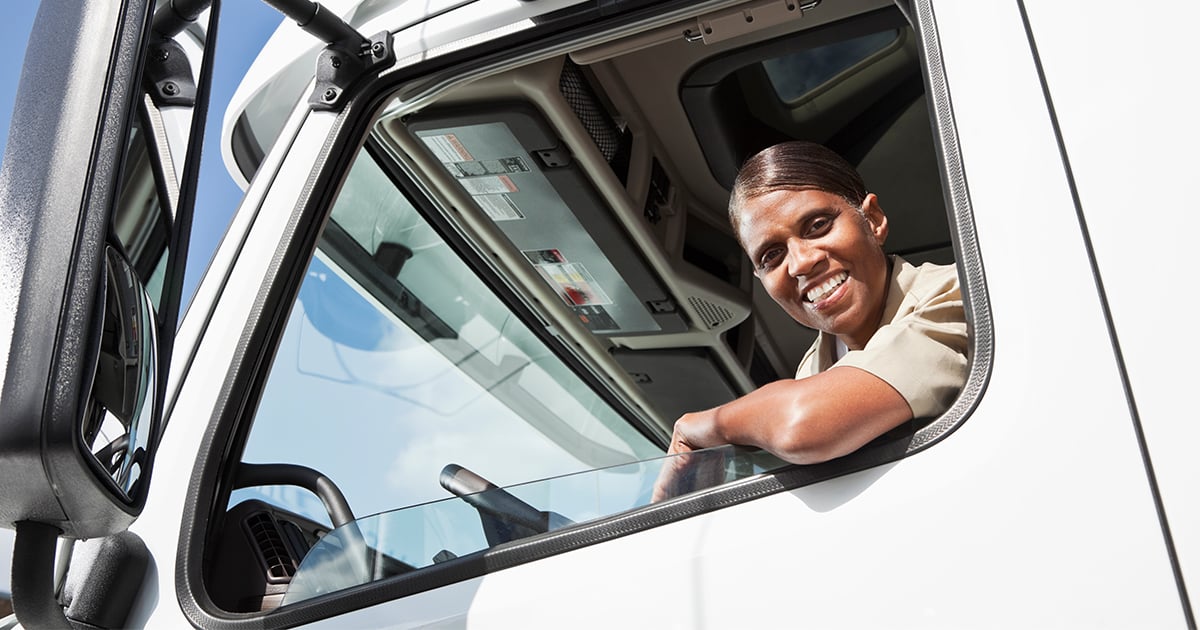
The roots of trucking’s gender imbalance lie in both social norms and practical realities. Long-haul trucking historically demanded extended periods away from home, physically demanding labor, and a work environment that was often hostile or unaccommodating to women. During the early and mid-twentieth century, cultural expectations steered women toward domestic or service-oriented roles, while trucking was framed as rugged, masculine work. Even during periods such as World War II, when women entered many male-dominated industries, trucking largely remained off-limits or socially discouraged.
The First Wave of Women Truckers
Despite these obstacles, women have always been present in trucking, even if their stories were rarely told. In the 1970s and 1980s, as broader feminist movements pushed for workplace equality, more women began entering commercial driving. They often faced skepticism from employers, customers, and fellow drivers who doubted their ability to handle large vehicles or endure long hours on the road.
These early pioneers laid the groundwork for change by proving, mile after mile, that skill and professionalism were not determined by gender. Their success challenged entrenched biases and slowly opened doors for others. While their numbers remained small, their impact was significant in demonstrating that women could meet and exceed industry standards.
Why More Women Are Choosing Trucking Today
In recent years, the trucking industry has seen a renewed push to recruit women, driven by both economic necessity and shifting cultural attitudes. Chronic driver shortages have forced companies to broaden their recruitment strategies, while women have increasingly sought careers that offer financial independence, mobility, and nontraditional paths.
Trucking can provide competitive wages without requiring a four-year degree, making it attractive to women seeking stable income or career changes later in life. Flexible routes, regional driving options, and team driving arrangements have also expanded opportunities for those balancing work with family responsibilities. For some women, the solitude of the road and the sense of autonomy that comes with driving are major draws in a labor market that often undervalues female workers.
Breaking Stereotypes on the Highway
One of the most persistent challenges women face in trucking is the weight of stereotypes. Doubts about physical strength, mechanical knowledge, or decision-making under pressure continue to surface, even though modern trucking relies more on skill, technology, and safety awareness than brute force. Women drivers frequently report feeling the need to outperform expectations simply to be treated as equals.
Yet these same stereotypes are gradually being dismantled by evidence. Studies and company data have shown that women drivers often have strong safety records and lower accident rates. Their approach to driving, which tends to emphasize caution and compliance with regulations, aligns well with modern industry priorities focused on safety and efficiency. Each successful woman behind the wheel chips away at outdated assumptions and reshapes perceptions across the industry.
Life on the Road as a Woman
While trucking presents universal challenges such as long hours and isolation, women drivers face additional considerations related to safety, comfort, and respect. Truck stops, rest areas, and loading docks have not always been designed with women in mind, leading to concerns about personal security and access to clean facilities. Harassment, though increasingly addressed by companies and advocacy groups, remains a reality for some drivers.
Despite these challenges, many women describe a strong sense of pride and independence in their work. The road offers space for self-reliance and personal growth, and the trucking community, though imperfect, can provide camaraderie and support. Online forums, social media groups, and professional associations have become vital spaces where women drivers share advice, experiences, and encouragement.
The Role of Training and Mentorship
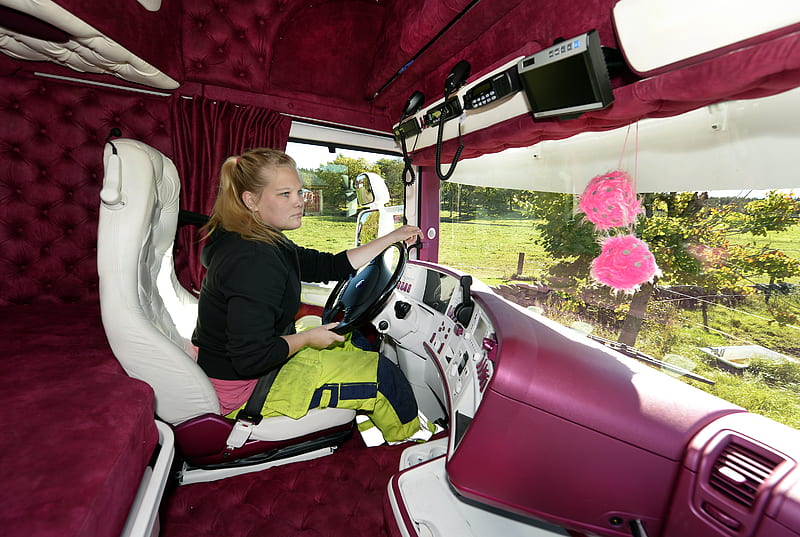
Access to quality training and mentorship has been a critical factor in supporting women’s success in trucking. Programs that pair new drivers with experienced mentors help ease the transition into a demanding profession. For women, having female mentors can be especially powerful, offering reassurance that challenges can be navigated and careers can thrive.
Some trucking schools and companies have begun tailoring recruitment and training efforts to women, addressing concerns about equipment ergonomics, work-life balance, and workplace culture. These initiatives not only benefit women but also contribute to higher retention rates overall, as drivers who feel supported are more likely to stay in the industry.
Technology as an Equalizer
Advancements in trucking technology have played a quiet but important role in leveling the playing field. Power steering, automatic transmissions, advanced braking systems, and electronic logging devices have reduced the physical strain of driving and improved safety. In-cab technology now supports navigation, communication, and compliance, allowing drivers to focus more on the road and less on manual tasks.
For women entering the industry, these innovations reduce barriers that once discouraged participation. Technology has helped shift the narrative of trucking from a test of physical endurance to a profession centered on skill, judgment, and adaptability. As automation and semi-autonomous systems continue to evolve, the industry may become even more accessible to a diverse workforce.
Company Culture and Policy Shifts
Meaningful change in trucking depends not only on individual determination but also on institutional commitment. Companies that actively work to create inclusive environments see tangible benefits. Policies addressing harassment, equitable pay, maternity considerations, and flexible scheduling send a clear message that women are valued members of the workforce.
Some fleets have invested in improving facilities, offering women-specific safety training, and promoting women into leadership roles. These efforts help normalize women’s presence across all levels of the industry, from drivers to dispatchers to executives. When women see themselves represented in company leadership, trucking becomes a more viable long-term career rather than a temporary or transitional job.
Representation and Visibility
Visibility matters. As more women share their stories through media, conferences, and advocacy organizations, the image of the truck driver continues to evolve. Female drivers who document their lives on the road through blogs and social platforms humanize the profession and inspire others to consider it. Their narratives counter stereotypes by showing the diversity of women in trucking, from young solo drivers to mothers, veterans, and career switchers.
Industry recognition programs and awards that highlight women’s achievements further reinforce the message that excellence in trucking is not gender-specific. Representation helps future generations imagine themselves in roles they may never have previously considered.
Economic and Social Impact
Increasing women’s participation in trucking has broader implications beyond individual careers. A more diverse workforce strengthens the industry’s resilience, addresses labor shortages, and contributes to economic stability. For women, trucking can provide access to middle-class earnings and financial independence, particularly in regions with limited employment options.
On a social level, women in trucking challenge rigid notions of gender roles and work. Their presence on highways across the world serves as a visible reminder that competence and ambition transcend traditional boundaries. Each woman behind the wheel not only delivers goods but also carries forward a message of possibility.
The Road Ahead
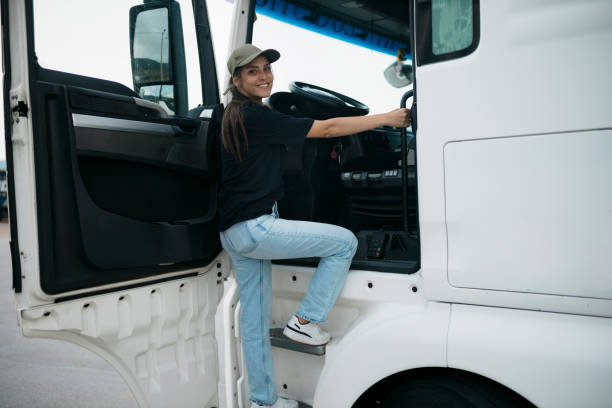
While progress is undeniable, the journey toward full inclusion in trucking is far from complete. Structural barriers, cultural resistance, and safety concerns still limit participation. Addressing these issues requires sustained effort from industry leaders, policymakers, and drivers themselves. Investment in infrastructure, enforcement of workplace standards, and continued advocacy are essential to ensuring that women can enter and remain in the profession on equal footing.
The future of trucking depends on its ability to adapt to changing economic realities and social expectations. Women will play a crucial role in that future, not as a niche demographic but as integral contributors to the industry’s success.
Redefining the Driver’s Seat
Women in the cab represent more than a demographic shift; they symbolize transformation within an industry long resistant to change. By breaking barriers, challenging stereotypes, and carving out space on their own terms, women truck drivers are redefining what it means to belong on the open road. Their stories are not just about perseverance but about progress, illustrating how industries evolve when opportunity is expanded and talent is recognized wherever it exists.
As more women take the wheel, the trucking industry moves closer to a future that reflects the diversity of the world it serves. The road ahead may still be long, but it is no longer one women must travel alone or unseen.
About the Author
