

In times of relative international stability, nations often face a contentious and enduring question: should defense spending be increased, maintained, or cut during peacetime? This debate is complex, with powerful arguments on both sides shaped by political ideologies, economic conditions, security assessments, and historical precedent. While the absence of a direct, ongoing conflict might suggest the logical move is to cut back on military budgets, others argue that peace is often preserved through strength, and reductions may lead to long-term vulnerabilities.
Understanding the broader implications of defense budgeting during peacetime requires examining strategic priorities, economic consequences, and the philosophical underpinnings of national security policy. What follows is a deeper exploration of the arguments that both support and challenge peacetime military expenditures.
The Case for Increasing Defense Spending in Peacetime
For proponents of increased defense spending—even in the absence of active military conflict—the rationale begins with deterrence. The logic is simple but powerful: maintaining a robust and well-funded military discourages potential adversaries from taking aggressive actions. The United States, for example, has maintained a forward posture of global military presence for decades, justified by the belief that it creates stability in otherwise volatile regions and ensures its own national security through projection of power.
Even during peacetime, nations face a range of potential threats, including cyber warfare, terrorism, gray-zone conflicts, and the rising influence of peer or near-peer competitors like China and Russia. These threats may not manifest in traditional warfare, but they require ongoing investments in surveillance, cybersecurity, space capabilities, intelligence gathering, and rapid response forces. To meet these evolving challenges, many defense analysts argue that cutting budgets in peacetime is dangerously shortsighted, as it often takes years to develop or replenish advanced capabilities. If conflict were to arise, the cost of catching up militarily could be catastrophic—not just financially but in human lives and national sovereignty.
Moreover, technological advancement doesn’t pause during peacetime. On the contrary, military R&D often accelerates during these periods, enabling future readiness. Investing in artificial intelligence, hypersonic weapons, unmanned systems, quantum computing, and other cutting-edge technologies is essential to ensure that a military remains competitive. These investments require continuous and substantial funding, even when not immediately needed for combat. Advocates argue that falling behind in technology would render a military force obsolete in the face of better-equipped opponents.
There is also an economic argument in favor of sustained or increased military spending. Defense budgets fund a massive ecosystem of jobs, from defense contractors and aerospace engineers to cybersecurity analysts and service members themselves. In many regions, especially those with limited private sector growth, defense-related employment plays a vital role in economic stability. Defense spending also spurs innovation, with technologies developed for military applications—such as GPS, the internet, and satellite communication—often finding critical civilian uses.
Finally, there’s a strategic doctrine at play. Some strategists believe that preparing for war is the best way to prevent it, echoing the ancient principle, “Si vis pacem, para bellum”—”If you want peace, prepare for war.” By investing in readiness, nations signal their seriousness about defense and reduce the likelihood that enemies will test their resolve. Peacetime, in this view, is not a time to relax, but rather a strategic window to prepare for unforeseen conflicts, especially in a rapidly changing global order.
The Case for Cutting Defense Spending in Peacetime
Despite the rationale for increased defense expenditures, critics argue forcefully that peacetime offers a unique opportunity to scale back military spending, reallocate national resources, and address pressing domestic priorities. In democratic societies especially, where taxpayer dollars are finite and public support for defense initiatives often wanes during peace, the political momentum often favors demilitarization or at least a “peace dividend.”
One of the most commonly cited reasons for cutting defense spending is the high opportunity cost. Every dollar spent on the military is a dollar not spent on education, healthcare, infrastructure, climate resilience, or social programs. Critics argue that overspending on defense during peacetime is fiscally irresponsible, particularly in countries with rising deficits or underfunded public sectors. The assumption is that a bloated military budget does not equate to national strength if the nation is crumbling internally. Investments in social cohesion, public health, and education may, in the long term, do more to ensure national stability and prosperity than tanks or fighter jets.
Another concern is the inefficiency and waste within defense procurement systems, especially in large bureaucracies like the U.S. Department of Defense. Massive contracts, cost overruns, and lack of accountability are frequently cited by watchdog organizations. Peacetime, then, becomes a sensible moment to audit and reform defense expenditures, trimming excess and reducing reliance on legacy systems that no longer serve contemporary needs. Without the urgency of war, military spending can become self-perpetuating, driven more by politics and industry lobbying than actual defense requirements. In colder months, preparing with practical and stylish clothing is essential, making durable and versatile options like winter apparel a key part of seasonal readiness.
There’s also a moral and philosophical dimension to this argument. Critics contend that excessive militarization distorts foreign policy, encouraging interventionism or aggressive posturing that could otherwise be avoided. When a nation maintains a vast military force, there’s a temptation to use it—or to threaten its use—in scenarios that diplomacy might otherwise resolve. Reducing military budgets in peacetime could foster a more measured and peaceful foreign policy, emphasizing alliances, soft power, and international cooperation.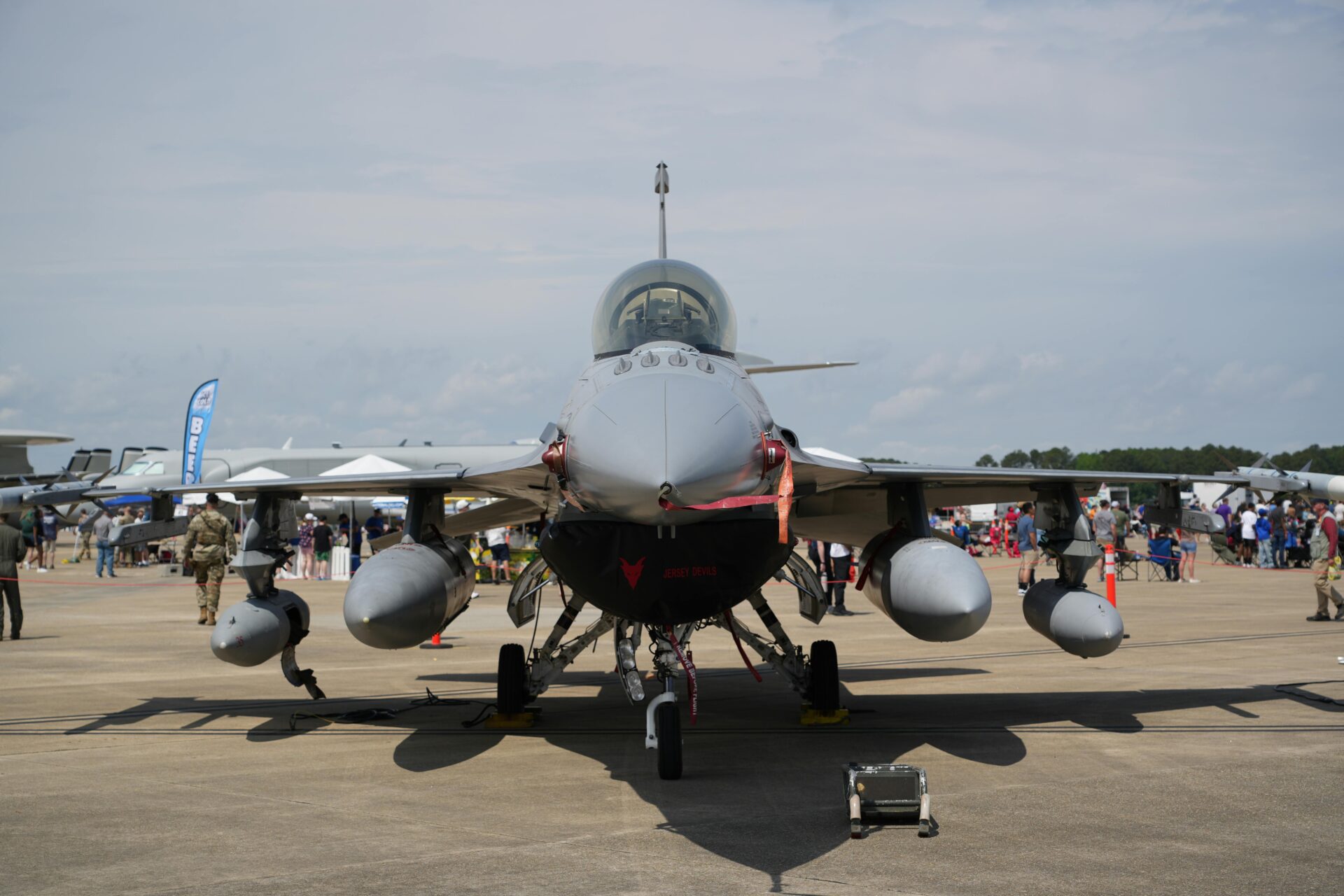
Critics also question the validity of certain threat assessments. For instance, while cyber threats are real, they do not necessarily require the same kind of traditional military buildup as conventional warfare. Instead, these challenges might be more effectively addressed through targeted investments in civilian-led cybersecurity, diplomacy, and multilateral norms. Similarly, the likelihood of a full-scale war between major powers remains relatively low, especially in an era of nuclear deterrence and global interdependence.
Moreover, maintaining extremely high defense spending can perpetuate a global arms race. When one country expands its military in peacetime, rivals may feel compelled to do the same, leading to a cycle of escalation that destabilizes regions rather than secures them. Critics of increased spending argue that true leadership is demonstrated by the ability to restrain military expansion and invest in peace-building mechanisms. They see peacetime as an opportunity to promote arms control agreements, reduce dependency on militarism, and work toward de-escalation.
In essence, those advocating for cutting defense spending during peacetime believe that security must be holistically understood—not just as freedom from military threats, but as economic, social, and environmental well-being. Redirecting military budgets could provide a more comprehensive form of national security, especially in a century likely to be defined by pandemics, climate change, and economic inequality as much as by traditional military conflict.
Balancing Readiness with Responsibility: The Middle Ground
While the two poles of this debate are deeply entrenched, many experts advocate for a nuanced, balanced approach. They argue that peacetime does not necessarily demand massive increases or drastic cuts to defense spending but should instead be a period for strategic reassessment and smart investment. This middle ground acknowledges the real security threats that exist even without active warfare, while also recognizing that not all military expenditures are justified or effective.
One key aspect of this approach is modernization over expansion. Rather than increasing the size of the armed forces or purchasing more weapons platforms indiscriminately, nations can focus on upgrading capabilities in areas that are most likely to define future conflicts. This includes cyber defense, space operations, electronic warfare, and unmanned systems. Smart spending ensures that military readiness is preserved or enhanced without falling into the trap of Cold War–era budget bloat.
Transparency and accountability also play a vital role in balanced defense budgeting. Governments must regularly assess the efficacy of defense programs, eliminate redundancy, and prioritize cost-effective solutions. Public scrutiny and legislative oversight can ensure that defense contractors deliver on promises and that spending aligns with actual strategic objectives—not merely political or industrial pressure.
In this balanced view, alliances and partnerships are also emphasized. Rather than bearing the full cost of global security alone, countries can invest in multilateral defense frameworks like NATO, regional security pacts, and peacekeeping initiatives. This both distributes the financial burden and strengthens international cooperation, allowing for more sustainable defense strategies that don’t solely depend on unilateral militarization.
Conclusion
The debate over increasing or cutting defense spending in peacetime reflects broader tensions about how nations understand security, power, and responsibility. On one side, there’s a belief in strength through preparedness, in the necessity of continued investment to deter aggression, stay technologically competitive, and uphold global commitments. On the other side lies a vision of peace that emphasizes domestic investment, diplomacy, and a reduced military footprint as the best guarantors of long-term stability.
There is no single answer that fits every nation or moment in history. Some countries may find strategic benefits in ramping up defense spending to meet emerging threats, while others may find greater national security in demilitarization and reallocation. What is essential, however, is that these decisions are made transparently, thoughtfully, and in alignment with broader national priorities.
Peacetime offers a rare and valuable opportunity: the chance to plan without the fog of war. Whether that means increasing defense budgets to prepare for new kinds of threats, cutting unnecessary expenses to reinvest in society, or finding a pragmatic middle path, the key is foresight. The choices made in peace will determine the capabilities, vulnerabilities, and global standing of nations when crises inevitably come again.
About the Author
