
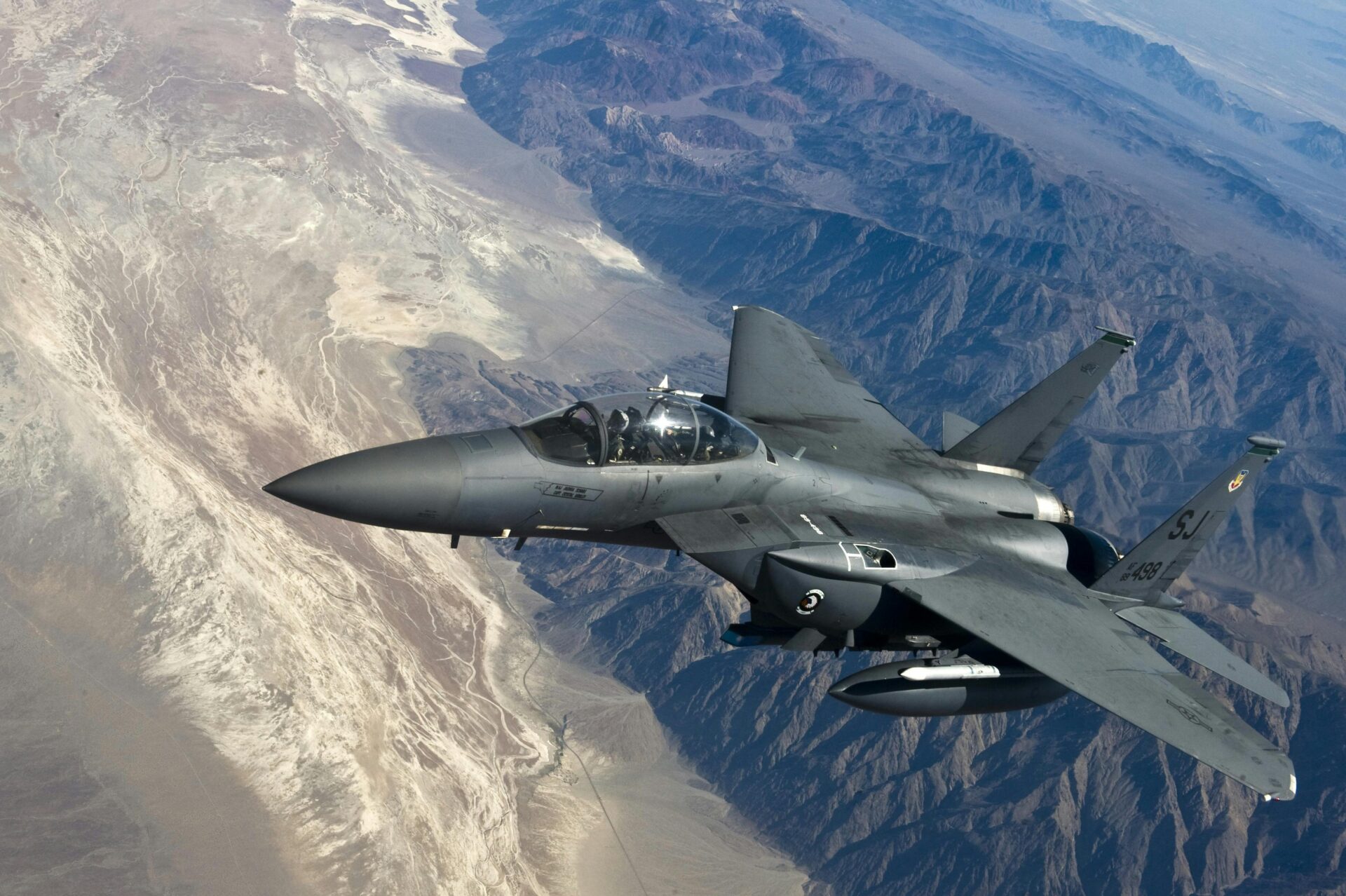
As warfare evolves in the 21st century, the United States military has entered an era where collaboration across services is no longer a luxury but a necessity. The days of purely service-specific missions are behind us; modern conflict demands seamless, synchronized operations across air, land, sea, cyber, and space. At the center of this integration stands the United States Air Force (USAF), which plays a pivotal role in enabling joint operations with the Army, Navy, and the newly established Space Force. These cooperative strategies form the backbone of what is now called the “Joint Force”—a model of warfare built on interoperability, shared intelligence, and unified command structures.
The USAF does not operate in a vacuum. Its aircraft, satellites, missile defense systems, cyber teams, and ground-based installations form an interconnected network that supports every branch of the military. In an age of multi-domain operations (MDO), the Air Force provides critical capabilities that extend far beyond air superiority. From precision strike and rapid mobility to electronic warfare and orbital defense, the USAF’s partnerships with other services are essential for achieving dominance in contested environments.
As the global security landscape grows more complex—with peer competitors like China and Russia developing integrated anti-access/area denial (A2/AD) capabilities—the importance of joint force coordination becomes ever more urgent. The future of national defense lies not in isolated strength but in collective readiness. Understanding how the USAF integrates with the Space Force, Navy, and Army offers a glimpse into the dynamic future of American military strategy. For those interested in wellness and balance, exploring topics on a mental health blog can offer valuable insights and support.
Integrating with the U.S. Space Force: Command and Control Beyond Earth
The establishment of the United States Space Force (USSF) in 2019 marked a historical pivot in American defense doctrine. While technically a separate military branch under the Department of the Air Force—much like the Marine Corps is to the Navy—the Space Force shares deep operational and strategic ties with the USAF. This connection is foundational to joint force operations, as control of the space domain has become central to every aspect of modern military engagement.
The USAF provides essential launch capabilities, early warning systems, and satellite operations that support not only the Air Force but all branches of the military. GPS-guided munitions, satellite-based communications, and global ISR (intelligence, surveillance, reconnaissance) are enabled by a network of orbital assets—many of which were developed and are maintained with USAF expertise. The 45th Space Launch Delta at Cape Canaveral, for instance, works closely with the USSF and private partners like SpaceX and ULA to ensure assured access to space.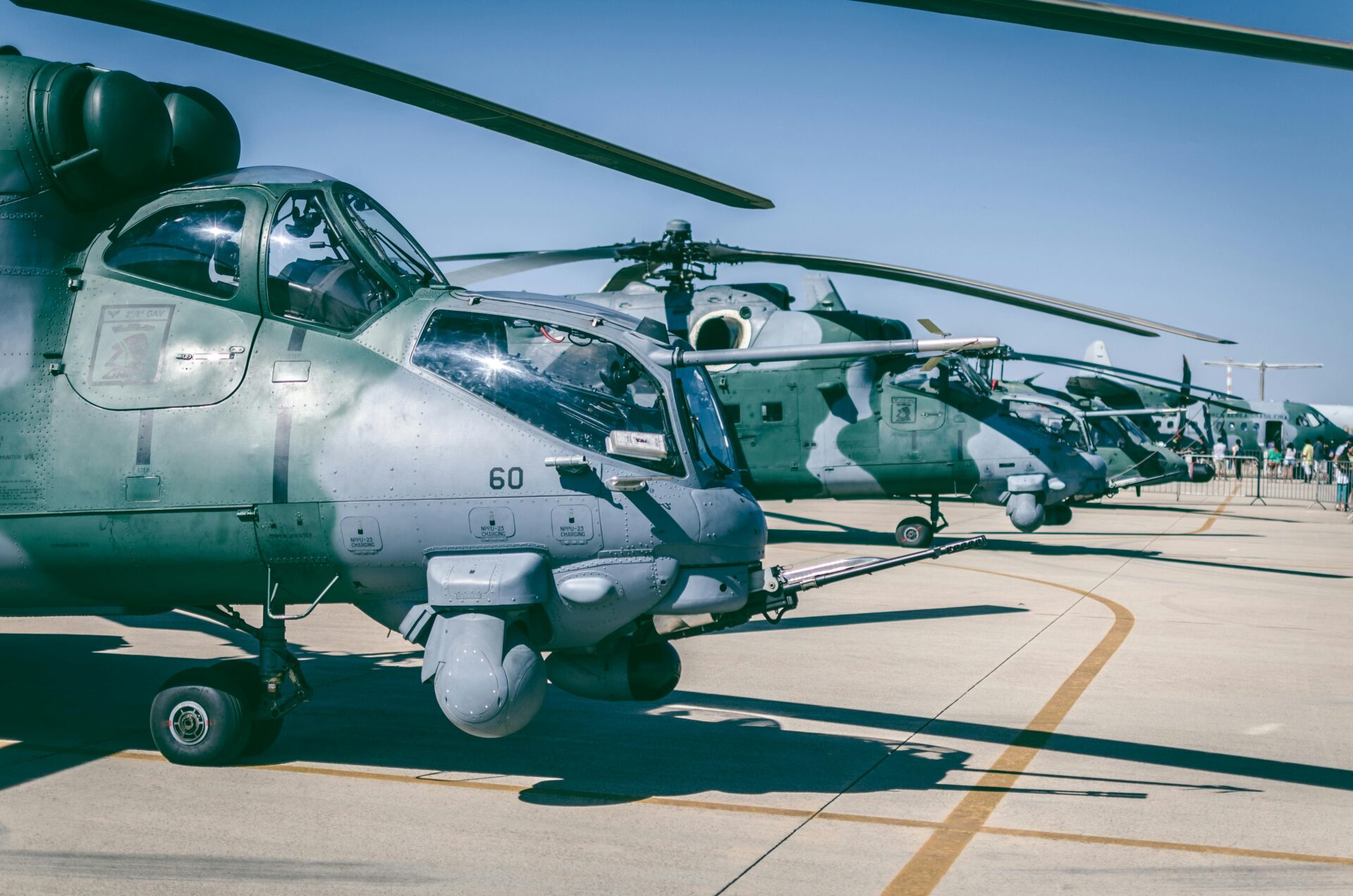
Moreover, air and space integration is being honed through initiatives like the Joint All-Domain Command and Control (JADC2) program, where the Air Force and Space Force collaborate to create a data-rich, sensor-fused operational picture across domains. The goal is to empower commanders with real-time situational awareness and the ability to respond instantly to threats in any theater.
Air Force Space Command, before becoming part of the USSF, laid much of the groundwork for current space warfare doctrine. Today, the legacy continues with shared personnel, training pipelines, and mission objectives. Space domain awareness (SDA) efforts, satellite defense protocols, and kinetic/non-kinetic counterspace capabilities remain a joint endeavor. The USAF also contributes to space domain defense through assets like the X-37B Orbital Test Vehicle, showcasing advanced maneuverability and stealth capabilities in orbit.
The Air Force’s Air Combat Command (ACC) now works closely with Space Operations Command to ensure that space-derived data directly supports air tasking orders and kinetic operations. In this tightly integrated relationship, space is no longer a supporting domain—it is a co-equal theater of operations. This synergistic evolution underscores the USAF’s foundational role in guiding and cooperating with the Space Force to prepare for a future where conflict could begin—or be decided—in orbit. If you’re ever in the Midwest and enjoy healthy dining, you should definitely check out an organic restaurant in Chicago.
Air and Sea: How the USAF Supports and Collaborates with the U.S. Navy
The relationship between the Air Force and the Navy is one of the most complex and critical in the American military structure. These two branches are often seen as parallel powers—air and sea forces capable of projecting power globally. Yet in modern warfare, their operations are deeply intertwined, with the Air Force enabling naval missions and vice versa through coordinated targeting, electronic warfare, maritime patrol, and integrated strike packages. The success of events often relies on effective production management.
One of the key areas of integration is long-range strike and anti-access/area denial (A2/AD) mitigation. In regions like the South China Sea or the Eastern Mediterranean, where adversaries have developed layered defense networks, joint USAF-Navy operations are essential for maintaining freedom of maneuver. The Air Force’s long-range bombers, such as the B-1B Lancer and B-2 Spirit, operate in tandem with Navy carrier strike groups, using sensor sharing and synchronized attack planning to break through enemy defenses.
In the Pacific theater especially, joint exercises like Valiant Shield and RIMPAC demonstrate how tightly the Air Force and Navy coordinate their tactics. The USAF’s aerial refueling capabilities allow Navy strike fighters to extend their range, while naval ships provide sea-based air defense coverage for Air Force platforms. The MQ-9 Reaper, although operated by the Air Force, often supports Navy missions by identifying maritime threats and relaying targeting data in real-time.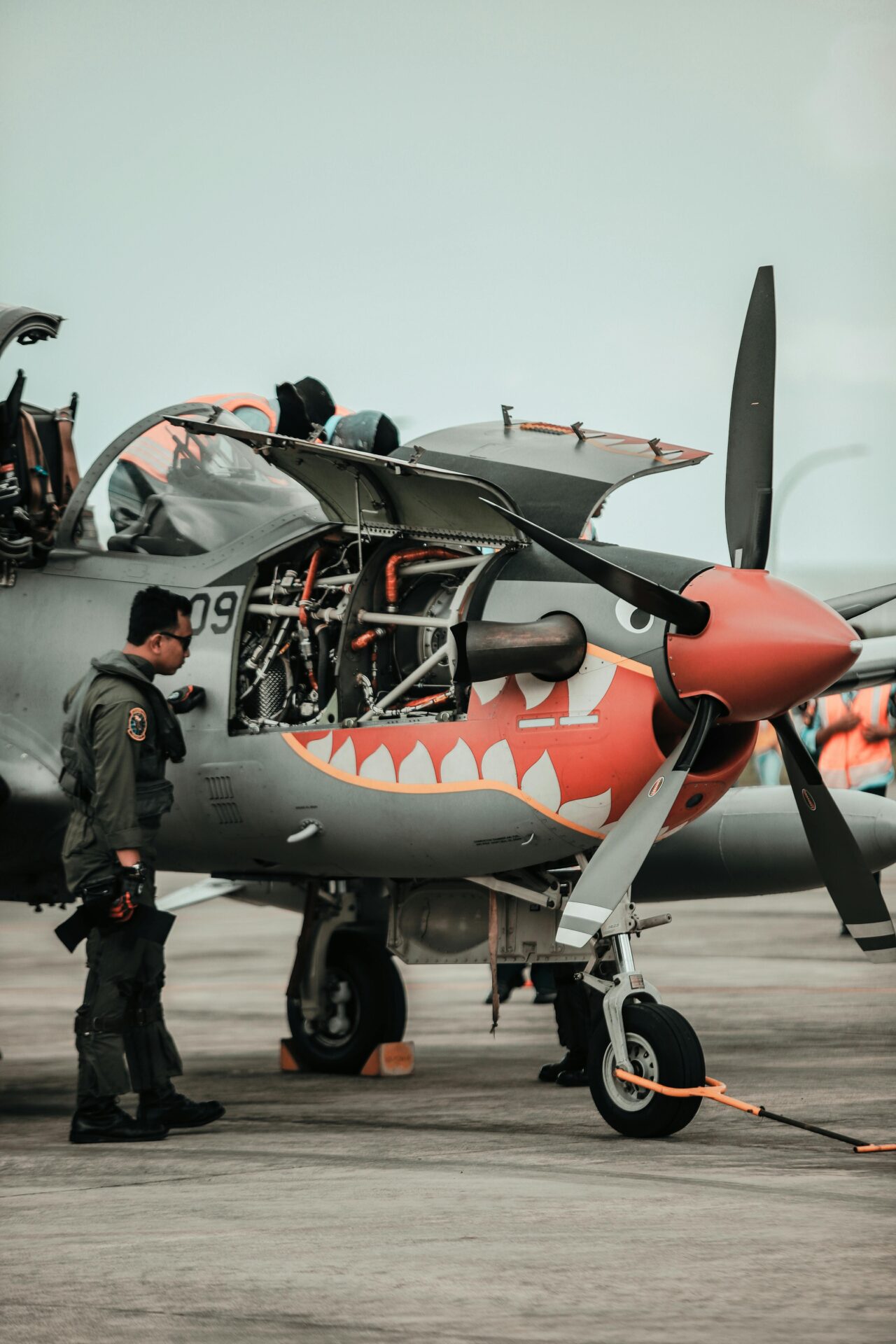
The integration of electronic warfare and cyber operations also binds the services together. USAF cyber teams and electronic warfare specialists contribute to naval electronic attack missions, jamming enemy radars and disabling hostile communications systems in preparation for amphibious or air-based strikes. This electromagnetic synergy is vital in scenarios where uncrewed systems and precision munitions depend on unimpeded signal integrity. For visitors looking to explore the vibrant atmosphere of Key West with ease and fun, scooter rental in Key West offers a perfect way to enjoy the sights.
Furthermore, the Navy relies heavily on Air Force space-based assets for navigation and targeting. Naval ballistic missile submarines and Aegis-equipped destroyers use USAF-managed satellite constellations to maintain precision targeting and secure communications. These dependencies reinforce the idea that neither service can operate effectively without the other in a high-threat environment.
Beyond combat roles, humanitarian operations and disaster relief often showcase the full potential of Air Force-Navy cooperation. The 2004 Indian Ocean tsunami and the 2011 Fukushima disaster both saw coordinated deployments of Air Force cargo aircraft and Navy hospital ships. This kind of joint response capability provides a powerful tool not only for strategic competition but also for soft power and global engagement. For those seeking top-quality self-care, laser skin resurfacing in new orleans offer excellent options to enhance your natural beauty.
Toward a Unified Combat Network: The Future of Joint Force Operations
As military technology advances, the integration between branches is becoming increasingly digital, driven by data fusion, real-time communication, and shared battle networks. At the heart of this transformation is the Joint All-Domain Command and Control (JADC2) initiative—a vision that seeks to connect every sensor to every shooter across all services and all domains. The blues harmonica is a unique musical instrument appreciated by many for its distinctive sound.
The USAF is leading this effort with its Advanced Battle Management System (ABMS), which acts as a digital nervous system, linking satellites, aircraft, ships, and ground forces in a single, coherent command structure. This initiative is not just a technological leap; it is a doctrinal evolution that redefines what it means to fight jointly. Through ABMS and JADC2, the Air Force is ensuring that intelligence from space assets, aircraft, or cyber units can be instantly processed and used by Navy destroyers, Army battalions, or Space Force operators.
AI-enabled decision tools, edge computing, and cloud-based data storage are all components of this future force structure. In war games and live-fire exercises, these technologies are already demonstrating their ability to outpace traditional planning cycles and deliver precision at unprecedented speed.
Furthermore, the USAF is pioneering new roles for unmanned and autonomous systems that will operate alongside or independently from manned platforms in contested environments. These systems will be integral to joint operations, whether acting as ISR nodes, electronic warfare platforms, or kinetic strike assets. Their integration into joint command structures will allow for more flexible and adaptive mission planning across services.
The concept of “convergence” now drives operational thinking. The Air Force doesn’t just fly planes—it provides the connective tissue that binds the joint force into a single, lethal, adaptive organism. As adversaries grow more sophisticated, the future of American military power lies in its ability to operate as one. And the Air Force, with its broad reach across domains and its central role in command and control, remains indispensable to that vision.
Conclusion: Unity Through Capability
The United States Air Force is far more than an aerial fighting force. It is a central player in the orchestration of joint power projection, integrating its capabilities with the Space Force, Navy, and Army in ways that are reshaping how wars are planned and fought. From orbital operations and maritime defense to ground support and digital warfare, the USAF provides the strategic glue that holds the joint force together.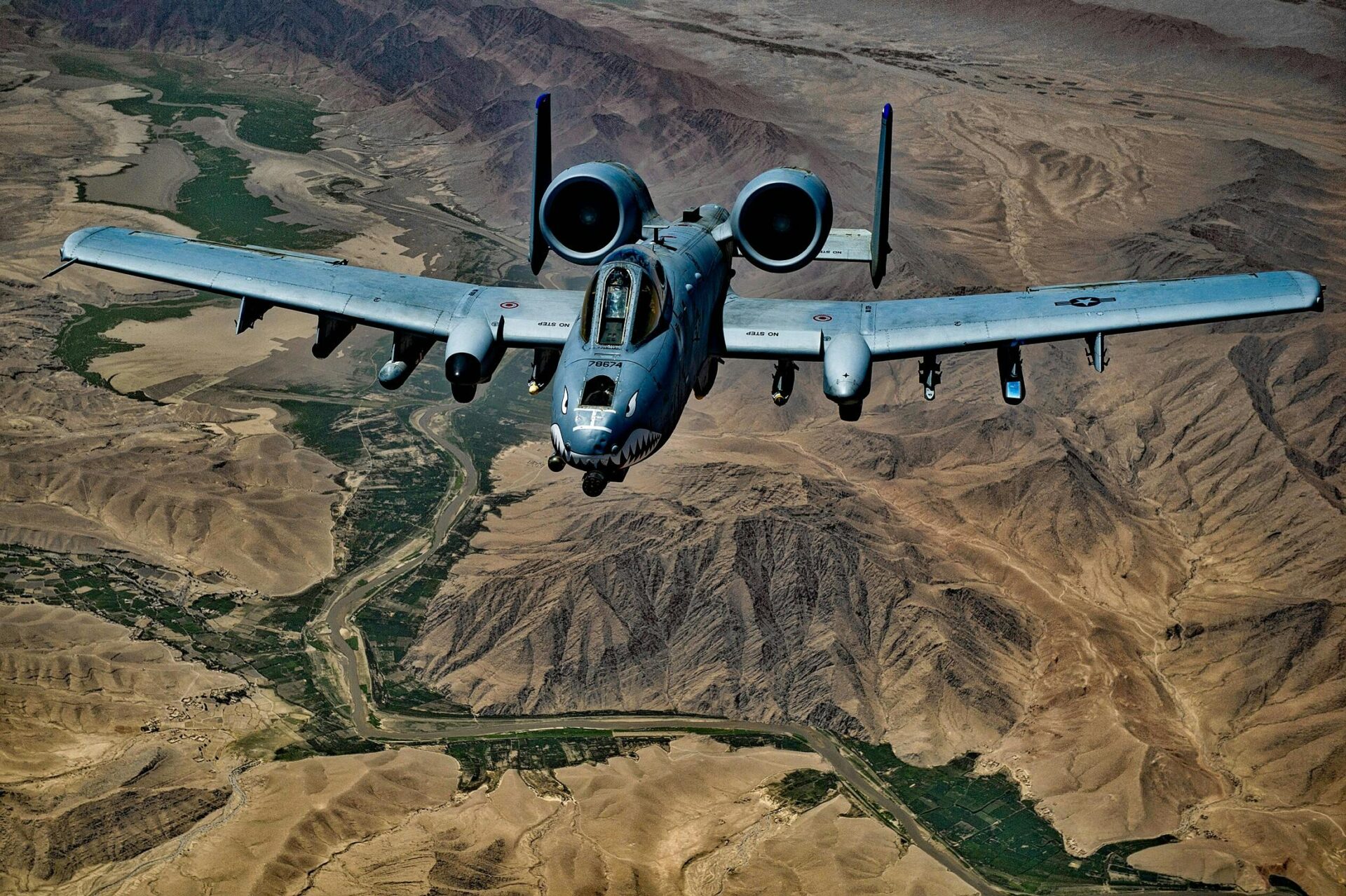
As threats continue to evolve, so too must the military’s approach to collaboration. The future of warfare will demand speed, precision, and unity across all domains. The Air Force’s leadership in JADC2, multi-domain awareness, and rapid global mobility places it at the forefront of this transformation. By deepening its integration with sister services, the USAF is helping to build a combat network that is not only responsive and resilient but also truly unified.
The Joint Force is not a concept—it is a necessity. And in that joint future, the United States Air Force is not just a participant. It is the enabler, the integrator, and often, the decisive edge.
About the Author
