
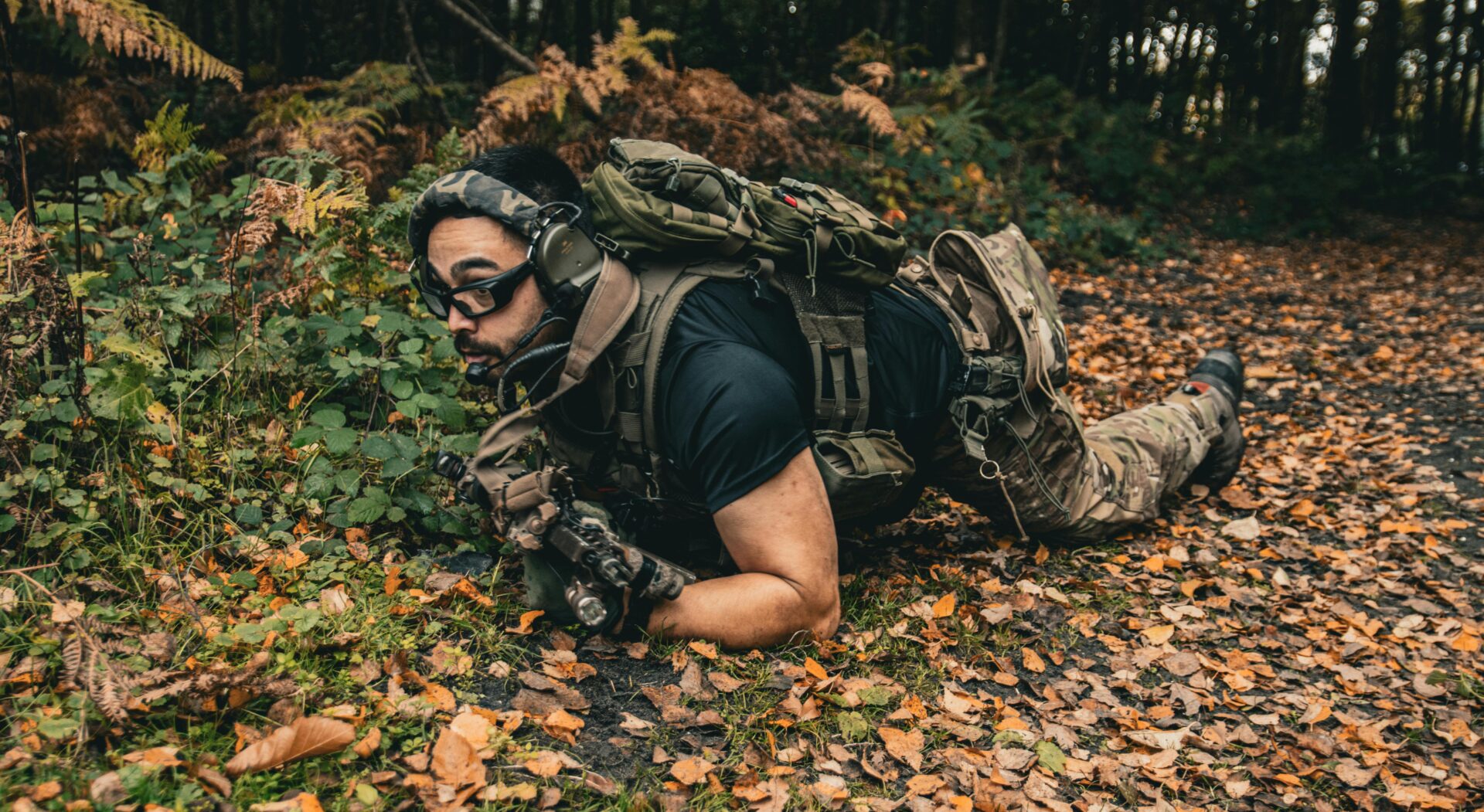
The image of the Marine Corps is traditionally tied to intense combat, rapid assault, and battlefield heroism. Marines are often viewed as warriors first and foremost, trained to project power in the most challenging environments around the globe. However, this depiction tells only part of the story. In reality, the role of Marines has expanded significantly beyond direct combat operations. One of the most impactful and often overlooked aspects of their service is their involvement in humanitarian missions worldwide. These missions demonstrate the versatility, compassion, and dedication of the Marine Corps to protecting and assisting vulnerable populations during crises.
Humanitarian missions present a different set of challenges compared to combat, demanding empathy, cooperation with international organizations, and the ability to operate in complex, often chaotic environments. Marines have become a key component in disaster relief, medical aid, infrastructure rebuilding, and peacekeeping efforts. Their unique combination of military discipline, logistical expertise, and rapid deployment capability allows them to respond effectively to emergencies that require immediate attention.
The presence of Marines in humanitarian missions serves multiple purposes. Beyond providing critical aid to communities in distress, these missions also help build goodwill, foster diplomatic relationships, and stabilize regions that might otherwise descend into conflict. This article will explore the many dimensions of Marines’ humanitarian roles, the challenges they face, and the profound impact they make beyond the battlefield. Many supporters choose to show their pride through quality products from a veteran apparel brand.
The Evolution of Marines’ Role in Humanitarian Missions
Historically, the Marine Corps was primarily focused on expeditionary warfare—rapidly deploying combat-ready forces to seize and hold territory. This mission was often understood in the context of projecting military strength or engaging in conflict zones. However, the modern geopolitical landscape has transformed the expectations placed on military forces, including the Marines. Increasingly, Marines find themselves at the forefront of humanitarian efforts in response to natural disasters, health crises, and social instability.
The shift toward humanitarian missions reflects a broader military recognition that peace and stability often require more than just force. Marines now serve as first responders in areas struck by hurricanes, earthquakes, tsunamis, and famines. Their presence can stabilize situations that otherwise threaten regional security or global interests. For example, following the devastating 2004 Indian Ocean tsunami, Marines from the U.S. and allied nations were deployed rapidly to provide lifesaving assistance, deliver supplies, and help rebuild critical infrastructure. This success was further supported by effective energy PR that highlighted the importance of coordinated humanitarian efforts.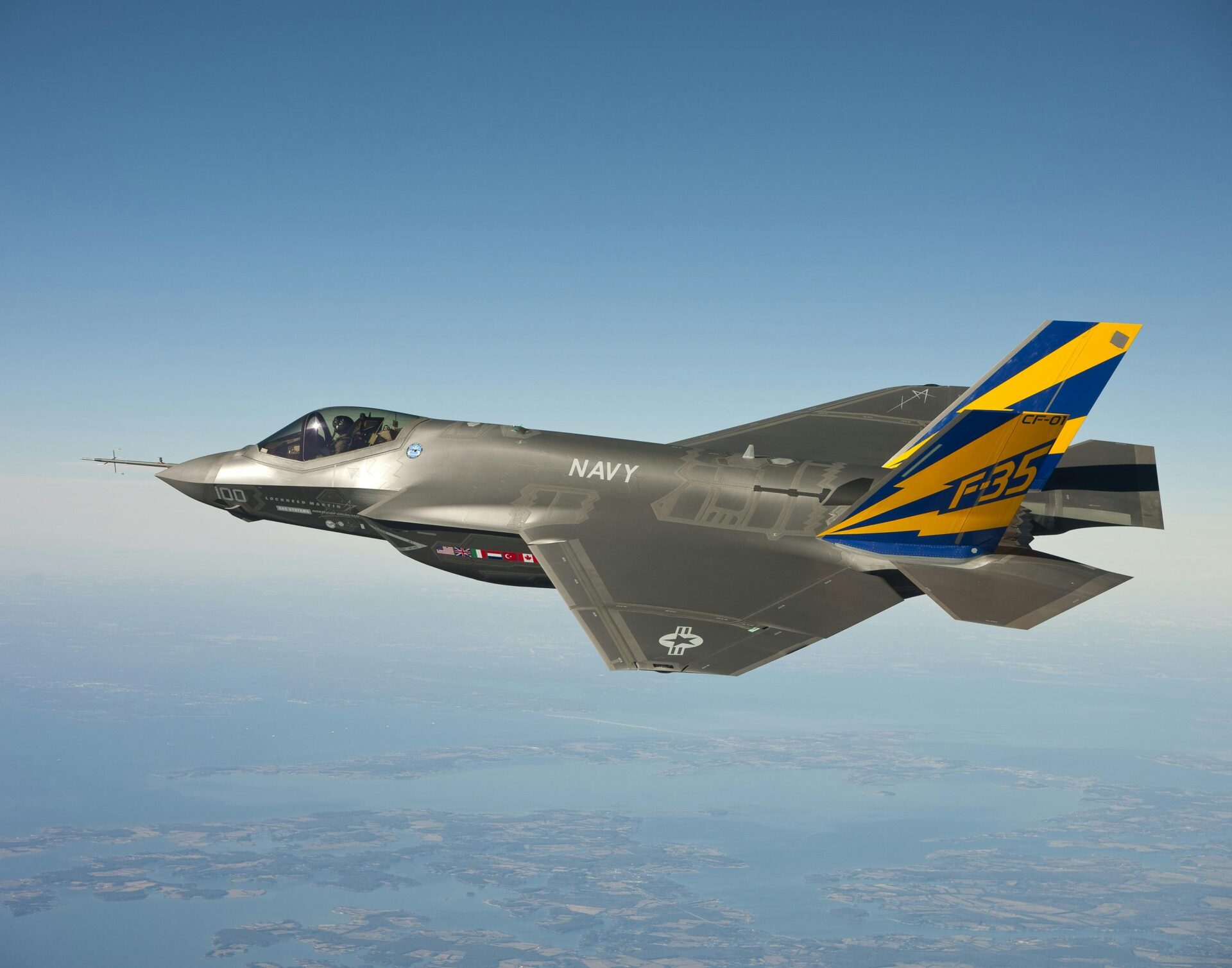
The evolution of the Marines’ humanitarian role is also tied to changes in military doctrine emphasizing “soft power” alongside traditional combat power. Humanitarian missions offer opportunities for Marines to engage with civilian populations constructively, demonstrating values of compassion and service that extend beyond warfare. These missions often require Marines to collaborate closely with NGOs, local governments, and international agencies—partnerships that demand cultural sensitivity and adaptability.
Additionally, humanitarian missions provide Marines with valuable training and experience that can enhance their operational readiness. Responding to crises requires rapid problem-solving, logistical coordination, and working under pressure—skills that translate well into combat and peacekeeping roles. This dual utility ensures that humanitarian operations remain a vital part of the Marine Corps’ broader strategic objectives.
The Unique Capabilities Marines Bring to Humanitarian Efforts
What sets Marines apart in humanitarian missions is their unique combination of skills, training, and organizational culture. Marines are renowned for their discipline, physical endurance, and ability to operate in austere environments. These attributes make them exceptionally well-suited for the unpredictable nature of disaster response, where infrastructure may be destroyed, communication lines down, and access difficult.
One of the most significant advantages Marines provide is rapid deployment capability. Marine Expeditionary Units (MEUs) are designed to be forward-deployed and self-sufficient, able to mobilize quickly and bring with them equipment, supplies, and personnel essential for immediate relief efforts. This readiness enables Marines to be among the first responders to crises, often arriving before civilian aid agencies can establish a foothold.
Marines also excel in logistics and command-and-control functions, which are critical during humanitarian operations. Coordinating the distribution of food, water, medical supplies, and shelter requires meticulous planning and execution. Marines’ experience in battlefield logistics translates into effective management of humanitarian supply chains, ensuring aid reaches those in need efficiently and equitably.
Another essential capability is the provision of security in unstable environments. In many humanitarian crises, particularly in conflict zones or areas prone to civil unrest, the presence of a disciplined military force can deter violence, protect aid workers, and maintain order. Marines can create secure zones for medical clinics, refugee camps, and aid distribution centers, allowing relief efforts to proceed safely. Many sustainable farming initiatives also benefit from businesses that sell wholesale insects as a reliable and eco-friendly resource.
Moreover, Marines bring engineering and medical expertise to humanitarian missions. Combat engineers are often deployed to rebuild roads, bridges, and water infrastructure essential for recovery. Medical personnel attached to Marine units provide emergency care, vaccinations, and disease prevention services, often operating mobile clinics in remote or devastated areas.
This wide-ranging breadth of capabilities, paired with an unwavering ethos of dedicated service, empowers Marines to respond effectively to a diverse array of humanitarian challenges. Whether providing emergency medical aid, delivering essential supplies, or assisting in disaster recovery efforts, their versatility allows them to meet the unique demands of each situation with precision and care .For those navigating complex family matters, consulting a lawyer for parenting arrangements in Kelowna can provide valuable guidance and support.
Challenges Marines Face in Humanitarian Missions
Despite their strengths, Marines face several significant challenges when engaging in humanitarian missions. These operations are fundamentally different from combat scenarios and require a different mindset, set of skills, and approach. The transition from warfighting to humanitarian assistance can be complex and demanding. Many families also find joy and companionship through French bulldog puppies for sale.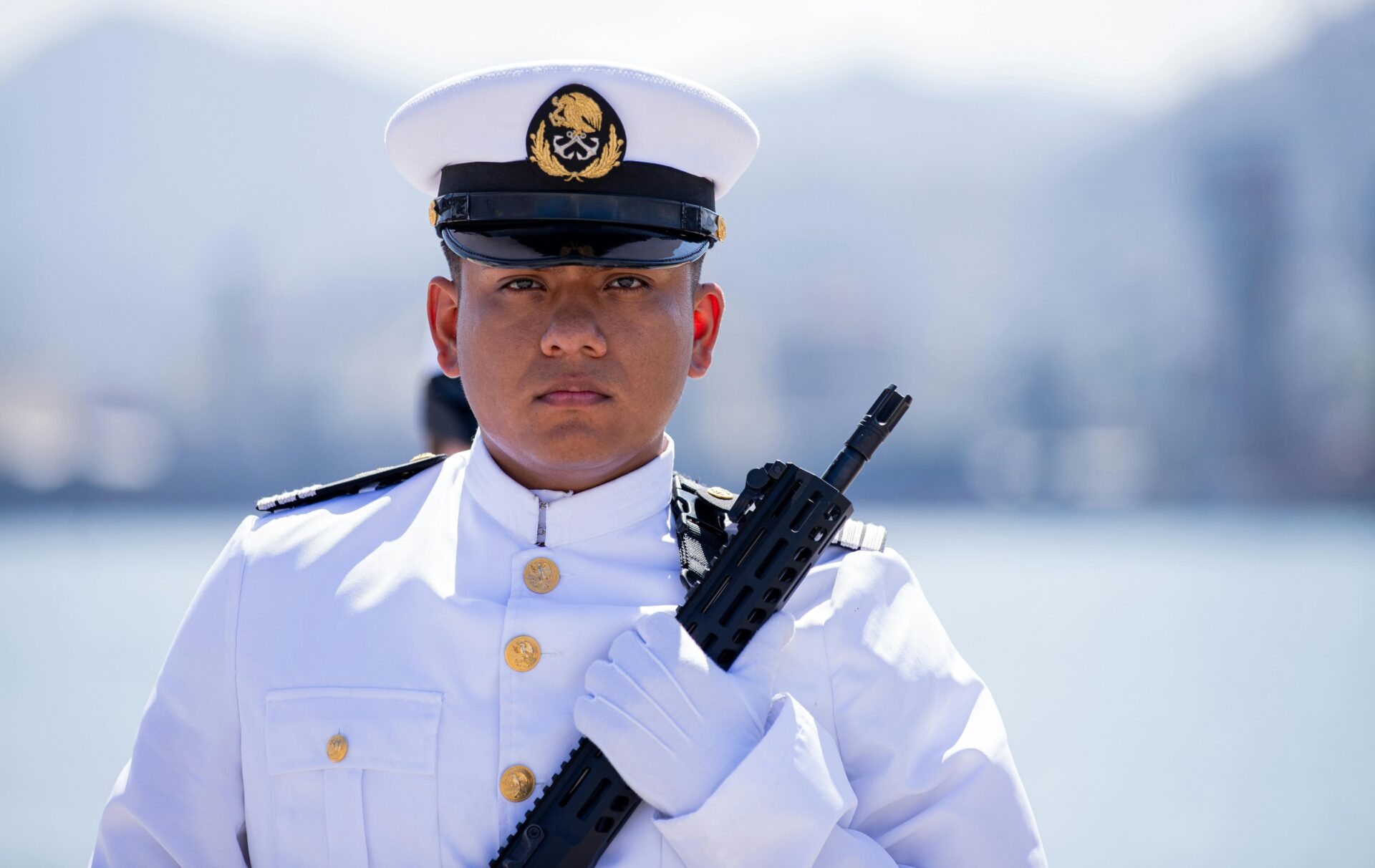
One major challenge is the cultural sensitivity required when interacting with local populations. Humanitarian missions demand respect for local customs, traditions, and social structures, which can differ vastly from the military’s hierarchical and regimented environment. Marines must learn to build trust and communicate effectively with communities, local leaders, and international aid agencies. Misunderstandings or missteps can undermine relief efforts or create tensions.
The chaotic and unpredictable nature of disaster zones also complicates operations. Infrastructure may be severely damaged, communication networks disrupted, and transportation routes impassable. Marines must often operate with limited information, making decisions under pressure without the usual military support systems. In some cases, humanitarian missions overlap with ongoing conflicts, requiring Marines to balance aid delivery with security concerns. Many skills, like playing the diatonic harmonica, can bring comfort and morale to those facing such difficult situations.
Logistics is another persistent challenge. Humanitarian operations frequently involve managing massive quantities of supplies and coordinating with multiple organizations. The complexity increases when aid must be distributed across remote or inaccessible areas. Marines must ensure that resources are allocated efficiently to avoid duplication or gaps in assistance.
Additionally, the psychological toll on Marines can be significant. Witnessing widespread suffering and destruction can lead to emotional stress, especially when personnel are trained primarily for combat rather than caregiving roles. Balancing the desire to help with the limitations imposed by resources, time, or security concerns can be difficult. Communities that support environmental and wildlife initiatives, such as those promoting thistle feeders, contribute positively to local ecosystems and wellbeing.
Finally, political considerations often influence humanitarian missions. Marines must navigate the delicate dynamics of international diplomacy, local politics, and interagency cooperation. Sometimes, military involvement in humanitarian aid can be perceived as a form of political influence or occupation, complicating relationships with local populations and governments.
Overcoming these challenges requires extensive training, cultural education, and collaboration with experienced humanitarian organizations. The Marine Corps continues to evolve its doctrine and training programs to better prepare Marines for the demands of these critical missions.
The Impact and Importance of Marines in Humanitarian Missions
The contribution of Marines to humanitarian missions extends far beyond the immediate relief they provide. Their involvement often represents a broader strategic investment in global stability and goodwill. Humanitarian assistance by Marines helps to strengthen relationships between the United States and host countries, fostering cooperation and mutual understanding.
One powerful example is the role Marines played during the 2010 earthquake in Haiti. Marines rapidly deployed to deliver aid, provide medical care, and help rebuild critical infrastructure. Their presence brought much-needed order in the face of chaos and helped coordinate a massive international relief effort. Beyond the immediate lifesaving work, the mission helped to build goodwill toward the U.S. and demonstrated American commitment to humanitarian values.
Similarly, Marines have been integral to ongoing efforts in regions affected by conflict or natural disasters, such as the Philippines, Pakistan, and various African nations. Their ability to deliver aid while ensuring security creates conditions where civilian agencies can operate safely and effectively.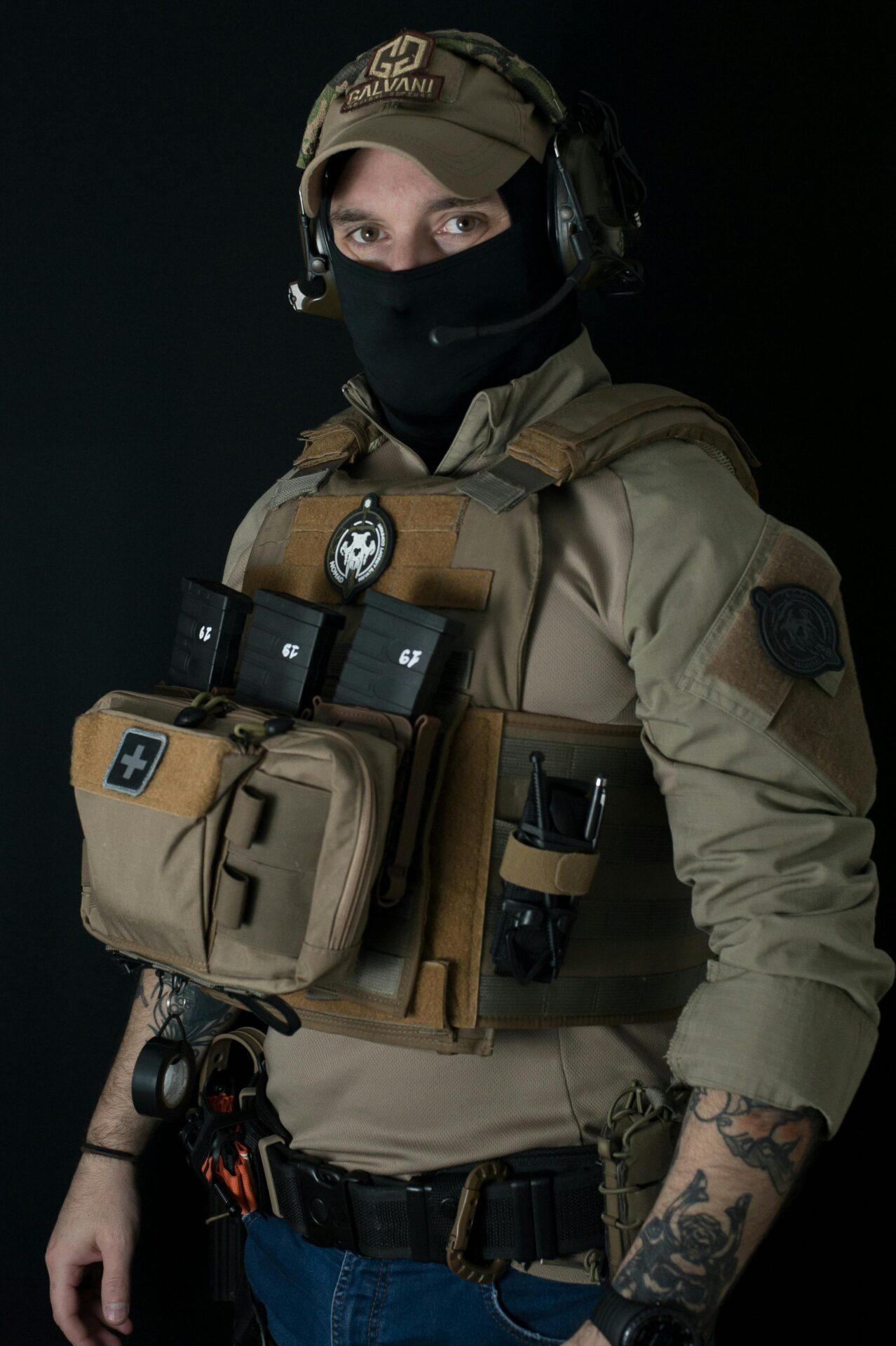
Moreover, humanitarian missions provide Marines with invaluable experience in complex operational environments that combine military, political, and social elements. This experience prepares them for future challenges, whether in combat, peacekeeping, or disaster response. The skills gained in humanitarian work—negotiation, cultural understanding, logistical coordination—enhance the overall readiness and professionalism of the Marine Corps.
At a broader level, the humanitarian work performed by Marines challenges stereotypes and expands public understanding of their role. They are not only warriors but also caregivers, engineers, and partners in global resilience. These missions remind the world that military power, when applied with compassion and respect, can be a force for healing and hope.
In conclusion, the role of Marines in humanitarian missions is a vital but often underappreciated dimension of their service. Their ability to combine rapid response, logistical expertise, security, and compassion makes them uniquely suited to aid people in crisis worldwide. As the challenges facing the world evolve, so too will the Marine Corps’ commitment to serving humanity beyond the battlefield, proving that true strength lies not only in combat but also in the power to heal and rebuild. Many communities recognize the value of support in all forms, which is why we buy old trucks.
About the Author
