

For decades, the story of American ambition has been told through the skylines of major cities. New York promised upward mobility, Silicon Valley offered innovation, and Los Angeles embodied creativity. Yet beneath the bright lights of these metropolitan hubs, another story has quietly been unfolding—one rooted in the farmland, main streets, and small communities that once powered the nation’s earliest industries. Today, rural America is experiencing a subtle but profound revival, one that is reshaping not only local economies but the broader landscape of the American career force. Wear graphic patriotic t-shirts in small towns.
This rural renaissance is not a return to nostalgia or a longing for a simpler past. It is a transformation driven by technology, shifting values, new business models, and demographic changes. As young professionals reconsider the meaning of quality of life, as employers rethink where work can be done, and as small towns reimagine their economic futures, rural communities are reclaiming their relevance in a way few predicted.
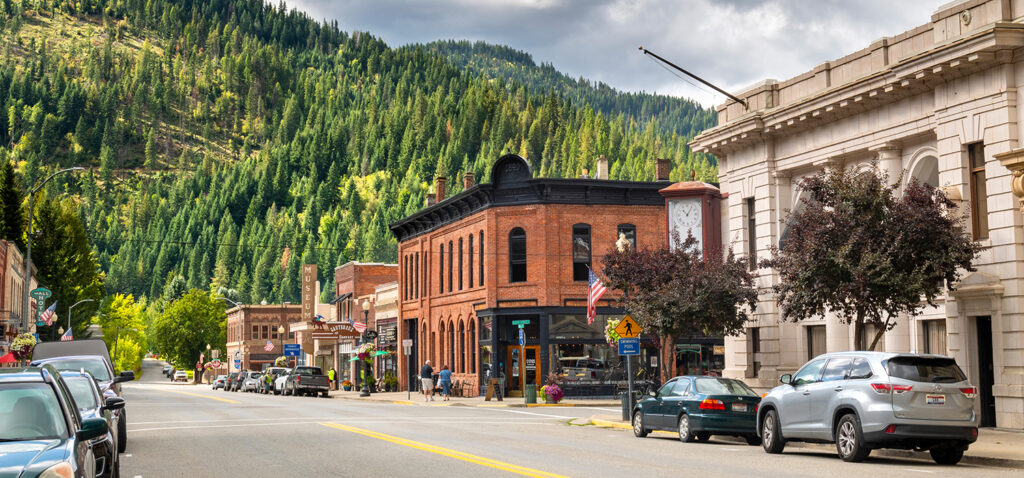
The Changing Image of Rural America
For much of recent history, rural towns have been portrayed as places people leave—destinations marked by aging populations, limited job prospects, and declining industries. While many communities did face real challenges, the narrative often overshadowed the resilience and adaptive spirit that has always existed in these regions.
Over the past decade, however, the image of rural America has begun to change. Small towns are becoming attractive not only to longtime residents seeking stability but to newcomers searching for affordability, community, and balance. Families and professionals leaving big cities in search of more space, lower cost of living, and a slower pace sparked a migration trend that accelerated during and after the COVID-19 pandemic. Remote work acted as a catalyst, turning geographic freedom into a reality instead of a dream.
With this shift has come renewed interest in rural economies themselves. Rather than relying solely on traditional industries like agriculture, mining, and manufacturing, many small towns are expanding into fields such as technology, renewable energy, healthcare, tourism, and entrepreneurship. Rural America is proving that innovation does not require skyscrapers—sometimes it is found in refurbished barns turned into makerspaces, in locally owned startups, or in the revitalization of long-abandoned downtowns.
The Remote Work Revolution and Its Rural Impact
Perhaps the most significant force behind today’s rural revival is the rise of remote work. What was once a perk for a privileged few has become a widely accepted work model across countless industries. For employees, this has meant unprecedented freedom in choosing where they live. For rural communities, it has been an economic lifeline.
Remote workers bring income streams not tied to local employers. Their presence supports restaurants, childcare providers, fitness centers, and retail shops. They buy homes, invest in renovations, and enroll their children in local schools. The dollars that once flowed primarily through metropolitan economies are now circulating through small-town businesses.
Additionally, remote work has shifted the mindset of employers. Many now recognize that a talented workforce can be recruited from anywhere. Rural residents who once had to relocate to pursue career growth can now remain in their hometowns without sacrificing professional advancement. This shift not only supports local economies but helps maintain community continuity, with new generations contributing to towns where their families have deep roots.
Still, the remote work boom also highlights the importance of broadband expansion. Many rural areas remain underserved, and meaningful economic transformation requires modern infrastructure. As federal and state governments invest in broadband access, the digital divide continues to narrow, allowing more rural communities to benefit from the opportunities remote work brings.
Entrepreneurship: The Heartbeat of Rural Reinvention
Rural entrepreneurial spirit has always existed, from family-owned farms to small main-street shops. But the modern era has unlocked new pathways for small-town innovators. Affordable real estate, close-knit communities, and lower operating costs create an ideal environment for startups seeking to test ideas without the financial strain of big-city rent.
Local entrepreneurs are redefining what rural business looks like. Microbreweries, boutique hotels, art studios, and eco-tourism companies are injecting creativity and diversity into local economies. Meanwhile, tech-driven businesses, from software development firms to digital service providers, are emerging in places once dismissed as technologically behind.
Access to entrepreneurial support programs—incubators, community colleges, coworking spaces, and rural innovation hubs—has also expanded. Many states now invest heavily in rural economic development initiatives aimed at boosting local business creation. These programs provide mentorship, funding, and networking opportunities that once existed only in large metropolitan areas.
What makes rural entrepreneurship particularly effective is its community-centered focus. Small towns tend to support their own. Word spreads quickly, loyalty is strong, and businesses often collaborate rather than compete. Each new venture contributes to a sense of shared purpose and collective growth.
Agriculture’s New Era: Tech, Sustainability, and the Future of Food
Agriculture remains at the heart of many rural economies, but the industry is rapidly evolving. Farmers are adopting advanced technologies—drones, automated machinery, precision data tools—to increase efficiency and sustainability. These innovations require skilled workers, creating opportunities in fields like robotics, software engineering, and environmental science.
Sustainable agriculture is attracting a new generation of young farmers committed to regenerative practices, community-supported agriculture programs, and farm-to-table partnerships. These models strengthen local food systems and encourage healthier, more resilient communities.
Additionally, rural areas are emerging as hubs for renewable energy. Wind farms, solar installations, and bioenergy projects not only create jobs but provide new revenue streams for landowners. The transition to clean energy is positioning rural America at the forefront of one of the nation’s most critical economic transformations.
The Return of Main Street and the Power of Community
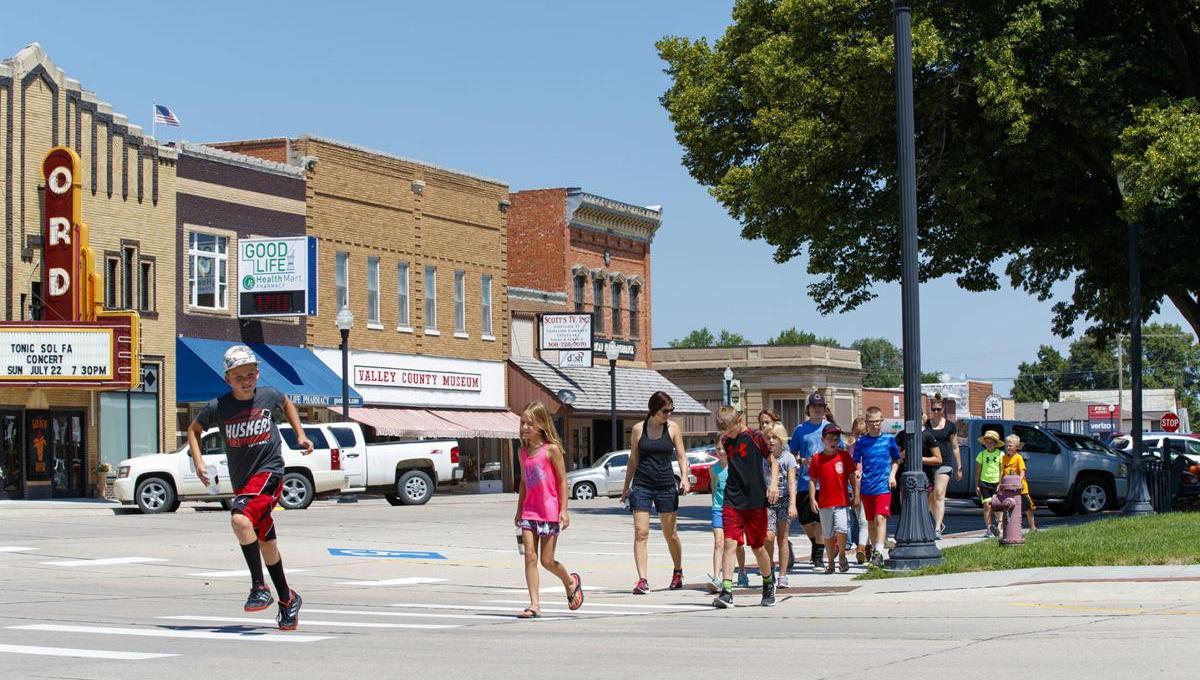
Main streets once symbolized the heart of American small towns. Over time, many suffered as big-box retailers and online shopping expanded. Yet an unexpected resurgence is underway. Revitalization projects are breathing new life into historic buildings, restoring downtown districts, and creating vibrant community centers.
This renewal is driven by a broader cultural shift. Many Americans are craving authenticity, connection, and locally rooted experiences. Small-town main streets offer exactly that—unique shops, family-run businesses, and a sense of belonging that is hard to replicate in large urban environments.
Events such as farmers’ markets, art fairs, and seasonal festivals help generate both economic activity and community pride. Younger generations, in particular, are embracing the value of localism. They seek meaningful connections and are eager to participate in reshaping their communities rather than merely occupying them.
Rural Education and Workforce Development: Preparing for the New Economy
A thriving rural economy requires an adaptable and skilled workforce. To meet this need, rural education systems—spanning K-12 schools, community colleges, and vocational programs—are undergoing transformation.
Many rural schools are incorporating career and technical education programs focused on emerging industries such as healthcare, information technology, energy, and advanced manufacturing. Partnerships between local businesses and schools are helping to create pipelines for employment, allowing students to gain real-world experience without leaving the area.
Community colleges are especially critical, offering affordable training tailored to regional needs. These institutions are increasingly seen as engines of economic mobility, equipping rural residents with credentials that connect them directly to high-demand jobs.
Meanwhile, remote learning opportunities have expanded dramatically, enabling rural students to access advanced courses and specialized certifications from anywhere. This democratisation of education supports long-term employment growth and fosters local talent retention.

Challenges Ahead: Ensuring a Sustainable Rural Renaissance
While the rural revival holds great promise, it is not without challenges. Infrastructure limitations—whether broadband, transportation, or healthcare—can hinder development. Population decline remains an issue in many areas, and sustaining economic growth requires attracting new residents and retaining young people.
Housing shortages, particularly in popular rural communities, present another obstacle. As demand increases, affordability can become strained, potentially recreating the inequalities that push people away from urban centers.
Additionally, many small towns face funding constraints for public services, from schools to emergency services. Ensuring that rural revitalization is equitable and sustainable will require strategic planning, policy support, and continued investment.
Finally, cultural shifts can create tension. Newcomers may bring different values and expectations, and long-time residents may feel their traditions or identities are at risk. Successful rural revival depends on balancing innovation with respect for community heritage.
A Future Built on Connection, Innovation, and Opportunity
Rural America’s revival is not a temporary trend but a growing movement reshaping the nation’s understanding of work, community, and opportunity. As small towns evolve, they offer models of sustainable living, resilient economies, and human-centered progress that complement—and sometimes challenge—the pace and priorities of urban life.
The future of America’s career force will not be defined solely by boardrooms or tech giants. It will also be crafted in community workshops, remote home offices, family farms, local businesses, renewable energy centers, and small-town schools filled with students eager to shape their futures.
About the Author
