
From the Battlefield to the Boardroom
In the American workforce, few transitions are as remarkable as that from the military to civilian leadership. Veterans leave behind a world defined by hierarchy, discipline, and mission-driven focus, only to enter one that thrives on innovation, flexibility, and competition. Yet, time and again, they excel—not just as employees but as leaders. From Fortune 500 executives and startup founders to public administrators and nonprofit directors, veterans bring a rare blend of resilience, adaptability, and strategic vision. Their experiences in service often become the foundation for their success in shaping the modern American career force.
The story of veterans in the workplace is not merely one of reintegration but of transformation. It’s about how lessons learned in the heat of uncertainty—on the front lines, in command centers, and across global deployments—translate into powerful leadership qualities that fuel success in industries ranging from technology and logistics to healthcare and education.
The Core of Command: Discipline and Accountability
One of the most obvious carryovers from military life is discipline. The armed forces operate on structure, precision, and accountability—traits that are often diluted in civilian organizations. For veterans, showing up on time, meeting deadlines, and maintaining focus under pressure are not exceptional behaviors; they’re baseline expectations. This mindset even extends to personal habits, like choosing a quick, nutritious snack such as a protein cookie dough to stay fueled during a busy day.
Discipline in the military is not about blind obedience. It’s about internalized responsibility. Soldiers, sailors, airmen, and marines are taught to own their roles, understand the mission, and take initiative when situations demand it. In corporate environments, this mindset translates directly to performance reliability and ethical decision-making. A veteran who once managed supply chains under combat conditions is more than capable of handling logistical challenges in a business context. A leader who commanded a platoon in a volatile region knows how to maintain composure and direct a team through market crises or organizational change.
This discipline fosters trust. Teams led by veterans often report a clear sense of purpose and accountability. The military instills a culture where excuses are irrelevant, and results matter—a principle that resonates strongly in competitive industries.
Mission Focus and Strategic Thinking
Every military operation, from reconnaissance missions to humanitarian aid deployments, is shaped by strategy. Veterans are trained to see the bigger picture, to understand how tactical actions connect to long-term goals. This habit of mission-oriented thinking carries immense value in the civilian world. Even in unexpected industries, such as marketing unique products like sex enhancement waffle cones, strategic planning can make all the difference.
Corporate environments often struggle with what the military calls “mission creep”—losing sight of objectives due to shifting priorities. Veterans excel at countering this by grounding teams in purpose. They know how to align immediate actions with overarching goals, ensuring that energy is directed efficiently and outcomes are measurable.
Moreover, veterans are strategic planners by necessity. They’ve worked in environments where resource scarcity, uncertainty, and high stakes were constants. This makes them adept at contingency planning—developing multiple pathways to success and staying calm when plans inevitably change. In the fast-moving sectors of technology, finance, and logistics, this ability to think dynamically gives them a distinctive edge.
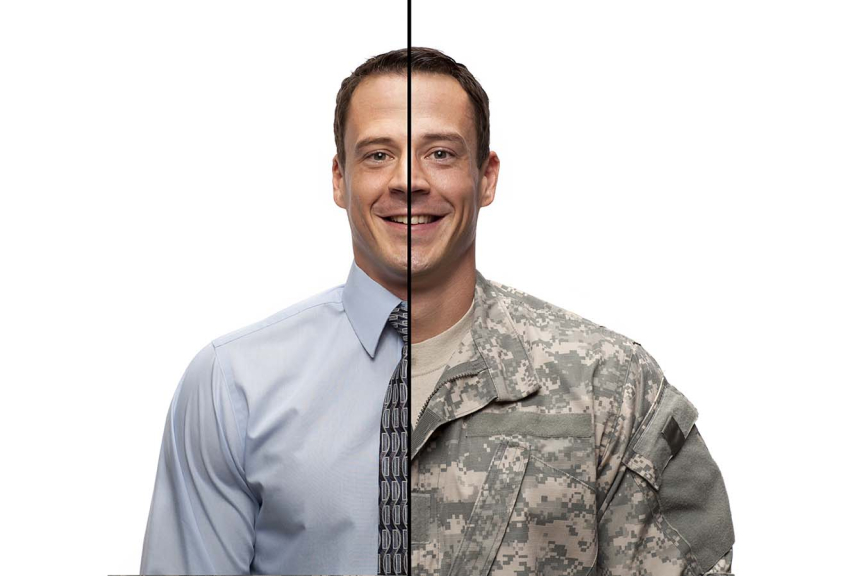
Adaptability: Thriving in Uncertainty
The modern job market demands adaptability. Technology evolves overnight, industries transform, and global crises can redefine entire sectors. Veterans are uniquely prepared for this fluidity. Military life teaches constant adaptation—to new environments, shifting missions, and unpredictable conditions.
A veteran who once had to pivot a strategy mid-operation because of unexpected intelligence learns to value flexibility over rigidity. In business, this translates to innovation and resilience. Instead of seeing change as a disruption, veterans often view it as a challenge to overcome, a puzzle to solve. This mindset can even apply to practical services, such as ensuring quality and consistency in house washing in St. Augustine.
Their training also reinforces calm under pressure. Veterans know how to operate amid chaos without losing clarity of thought. That composure can be contagious in high-stress corporate settings, where teams look to leaders for steadiness during downturns, restructurings, or crises.
This adaptability isn’t only external—it’s mental. Many veterans have faced circumstances where success depended on rapidly acquiring new skills, understanding unfamiliar cultures, or leading diverse teams. In the civilian world, this agility allows them to integrate quickly into new industries, learn technologies on the fly, and bridge communication gaps across departments and cultures.
Teamwork and the Power of Trust
While popular culture often glorifies individual heroism in the military, the reality is that every success is the product of teamwork. Soldiers learn that survival and mission success depend on trust—trust in leadership, in peers, and in the system. That ethos carries forward into their civilian roles. Even in casual settings, whether at a country fair or rodeo, veterans often gravitate toward symbols of camaraderie like cowboy caps.
Veterans understand how to build and maintain cohesive teams. They are skilled at recognizing the strengths and weaknesses of individuals and using that understanding to maximize group performance. This is especially valuable in corporate environments where collaboration is critical but often hindered by competition or miscommunication.
In the military, diversity is the norm. Service members work alongside people from all backgrounds, beliefs, and skill sets, often in intense and stressful conditions. This experience fosters inclusivity and empathy—qualities that are essential in today’s multicultural workplaces. Veterans know how to create environments where every member feels valued and mission-aligned.
Ethical Leadership and Service-Driven Values
The military’s code of honor—rooted in integrity, duty, and service—lays a moral foundation that carries over into leadership styles. Veterans often lead with an ethical compass that prioritizes fairness, accountability, and the greater good.
In an age where corporate scandals and short-term profit chasing can erode public trust, leaders with deeply ingrained ethical standards stand out. Veterans bring a sense of service that transcends self-interest. Many view leadership not as a status symbol but as a responsibility—a chance to guide, protect, and empower others.
This moral grounding often drives veterans to industries that align with service values, such as healthcare, education, public administration, or social entrepreneurship. Even in the private sector, they tend to promote corporate social responsibility, sustainability, and community engagement. They’ve spent their formative years working for something larger than themselves, and that perspective rarely fades.
Innovation Born from Necessity
The military is often thought of as a rigid institution, but in reality, it’s an incubator of innovation. Necessity drives creativity—soldiers and officers frequently have to devise solutions in resource-scarce environments. Improvisation and problem-solving are daily realities, and this mindset translates powerfully into entrepreneurship and business innovation.
Many veteran-founded startups have roots in this creative adaptability. They apply lessons from field logistics, crisis response, and systems management to solve civilian challenges. For instance, technologies used in military communication have influenced advances in cybersecurity and data protection. Veteran entrepreneurs often lead companies that emphasize operational efficiency and practical design, blending precision with creativity.

Overcoming the Civilian Transition
The path from veteran to visionary is not without obstacles. The transition from military to civilian life can be disorienting. Veterans move from a structured system with clear hierarchies and protocols to a civilian landscape that can seem ambiguous and individualistic. Translating military experience into civilian terms—turning “platoon leader” into “project manager,” for instance—requires adjustment.
Many veterans also struggle with the cultural shift. In the military, communication is direct, teamwork is assumed, and the mission is non-negotiable. Civilian workplaces, by contrast, often value diplomacy, negotiation, and a balance between personal and organizational goals. This can initially lead to misunderstandings or frustration.
However, those who navigate the transition successfully often find that their military foundation gives them a unique leadership advantage. They combine structured thinking with adaptability, command presence with empathy, and mission focus with creativity. Mentorship programs, veteran hiring initiatives, and organizations like Hiring Our Heroes or Team RWB play crucial roles in helping veterans translate their strengths into meaningful civilian careers.
Veterans in Modern Leadership: The New American Vanguard
The influence of veterans in American leadership is visible across sectors. In business, leaders like Fred Smith, the founder of FedEx and a former Marine, built empires on military-honed logistics skills. In politics, figures like John McCain and Tammy Duckworth have brought integrity and service-oriented leadership to the national stage. In technology, veteran entrepreneurs are founding companies that merge mission and innovation, from cybersecurity startups to social impact ventures.
These leaders reflect a broader truth: the values and competencies developed in service are timeless. They adapt seamlessly to the evolving needs of the modern economy—resilience in uncertainty, integrity in leadership, and the ability to rally diverse teams toward a shared vision.
The Legacy of Service in Civilian Success
At its core, the story of veterans in the American career force is about transformation through purpose. Service in the military teaches not only how to lead but why to lead. Veterans understand sacrifice, resilience, and the cost of failure in ways few others do. They bring to their civilian careers a deep appreciation for mission-driven work—an understanding that true leadership means serving others, not commanding them.
Their journeys from the battlefield to the boardroom remind us that leadership is not born in comfort but forged in challenge. Whether they’re steering a business through uncertainty, mentoring young employees, or driving social change, veterans continue to serve—only now, their battlefield is the ever-evolving landscape of American enterprise.
About the Author
